Choir practice and trumpet lessons might not be the first things that come to mind when you think about lung wellness. But singing and playing wind instruments are getting real attention from researchers and respiratory programs.
Why singing is breathing practice
Singing requires controlled, deep breaths and long, steady exhales. You use your diaphragm, work on posture, and learn to pace your air. In other words, it's structured breathing practice disguised as something fun.
In the UK, programs such as "Singing for Lung Health" have brought group singing sessions to people with long-term lung conditions. Studies of these programs have reported improvements in quality of life and how people feel about their breathing, though results on lung function measurements have been mixed.
Wind instruments
Playing the harmonica, flute, clarinet or trumpet involves similar skills: breath control, sustained exhales and good posture. The harmonica in particular has been used in some community lung-health groups because it's inexpensive, portable, and you breathe both in and out while playing.
The social bonus
Part of the benefit is simply being part of a group. Choirs, community bands and music classes provide connection, routine and something to look forward to — all good for overall wellbeing, especially as we get older.
Getting started
- Look for a local community choir — most welcome beginners.
- Try a beginner harmonica; many free online lessons exist.
- Sing along in the car or shower. It all counts.
If you have a diagnosed lung condition, ask your doctor or respiratory therapist whether a singing-for-lung-health program is available near you.
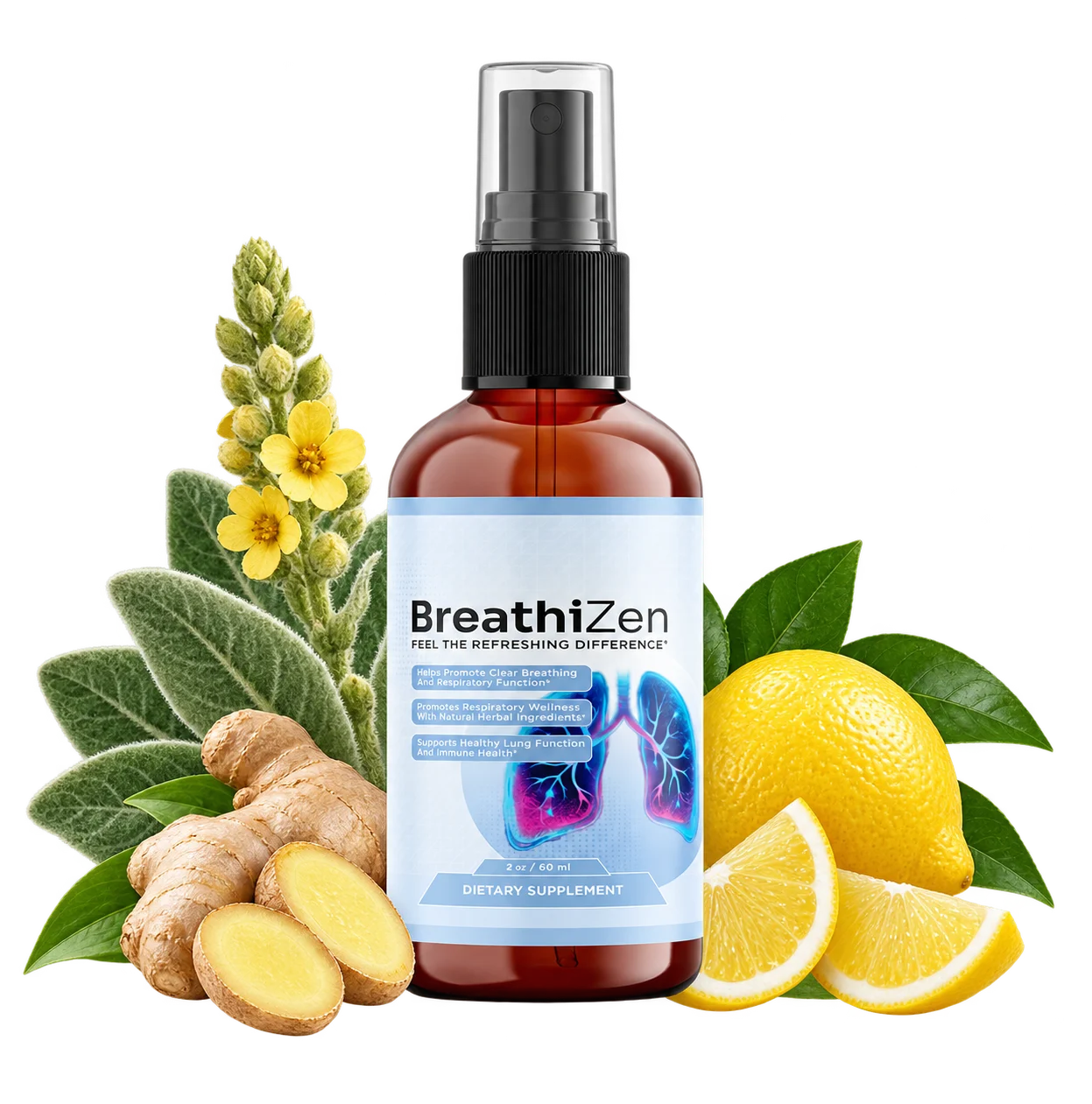
Three Botanicals. Five Seconds a Day.
Mullein, ginger and organic lemon in one great-tasting spray — backed by a 60-day guarantee.
Save Up to 73% TodayThese statements have not been evaluated by the FDA. BreathiZen® is a dietary supplement and is not intended to diagnose, treat, cure or prevent any disease. Please talk to your doctor before starting any supplement.
← Back to the Journal