Planning a trip to Colorado, Utah or the Sierra Nevada? If you live near sea level, the first thing you'll probably notice at 8,000 feet isn't the view — it's your breathing.
Why altitude feels different
The air at high elevation contains the same percentage of oxygen as at sea level, but the air pressure is lower. That means each breath delivers less oxygen to your lungs. Your body responds by breathing faster and deeper and raising your heart rate, which is why a gentle trail can suddenly feel like a workout.
How to acclimatize
- Take it slow. If you can, spend a day or two at a moderate elevation before heading higher.
- Climb gradually. Avoid going from sea level to very high elevation in a single day.
- Drink plenty of water. Mountain air is dry and you lose extra fluid through faster breathing.
- Go easy on alcohol for the first couple of days.
- Pace yourself. Short breaks and a slower pace make a big difference.
Know the warning signs
Mild altitude sickness is common and can cause headache, nausea, tiredness and poor sleep. Symptoms usually ease as you adjust.
If you have a lung or heart condition
Talk to your doctor before a high-altitude trip. They may suggest medication, oxygen, or adjustments to your plans.
Enjoy the climb
With a little preparation, high-elevation hiking is one of the most rewarding ways to spend a vacation. Just give your body time to catch up with your ambition.
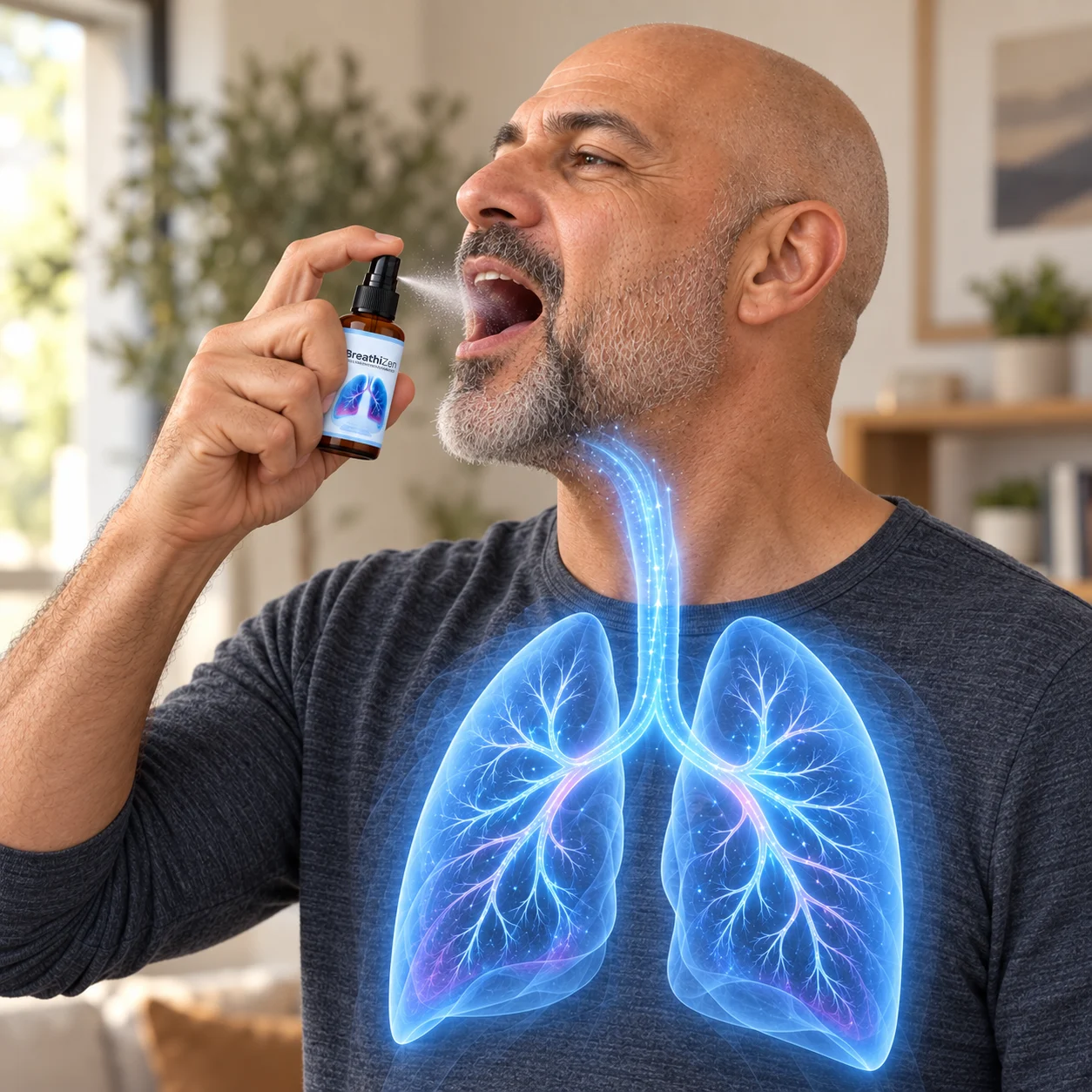
Three Botanicals. Five Seconds a Day.
Mullein, ginger and organic lemon in one great-tasting spray — backed by a 60-day guarantee.
Save Up to 73% TodayThese statements have not been evaluated by the FDA. BreathiZen® is a dietary supplement and is not intended to diagnose, treat, cure or prevent any disease. Please talk to your doctor before starting any supplement.
← Back to the Journal