If you've ever felt like you couldn't catch your breath during a stressful moment, you're not alone. Feeling short of breath is one of the most common physical symptoms of anxiety.
Why anxiety affects breathing
When your body senses stress, it triggers the "fight or flight" response. Your heart rate rises and your breathing often becomes faster and shallower. Breathing rapidly can make you feel like you're not getting enough air, even though you are — which can increase the anxiety, creating a cycle.
Calming your breath in the moment
- Slow your exhale. Breathe in for four counts and out for six. Longer exhales help calm the body.
- Breathe through your nose when you can.
- Ground yourself. Name five things you can see, four you can hear and three you can touch.
- Relax your shoulders and unclench your jaw.
Building calm over time
Regular exercise, good sleep, limiting caffeine, and daily breathing practice can all help reduce how often anxiety takes hold. Therapy and, when appropriate, medication are also very effective for anxiety disorders.
Don't assume it's "just anxiety"
If anxiety is affecting your daily life, talk to your doctor or a mental health professional. Help is available and it works.
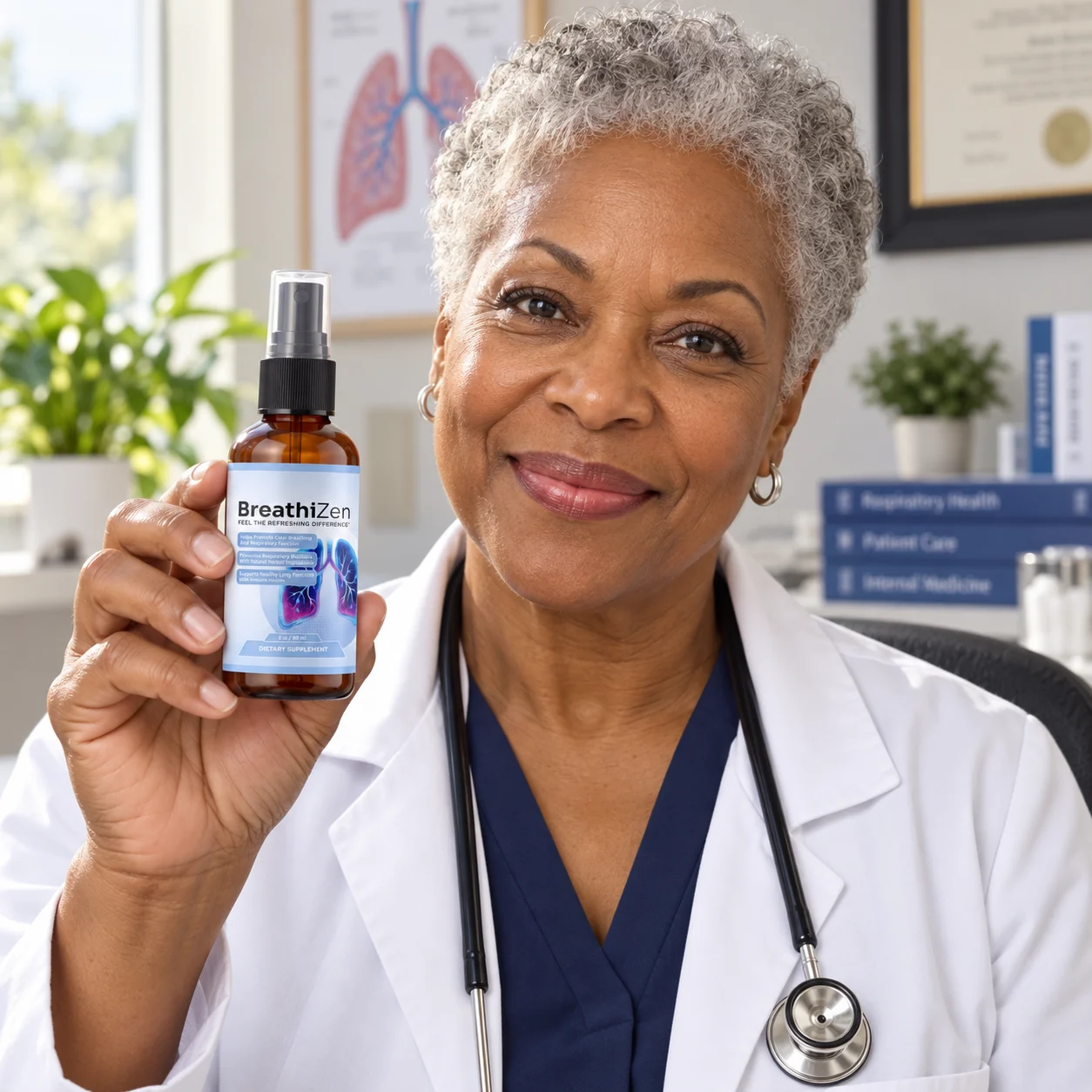
Three Botanicals. Five Seconds a Day.
Mullein, ginger and organic lemon in one great-tasting spray — backed by a 60-day guarantee.
Save Up to 73% TodayThese statements have not been evaluated by the FDA. BreathiZen® is a dietary supplement and is not intended to diagnose, treat, cure or prevent any disease. Please talk to your doctor before starting any supplement.
← Back to the Journal